
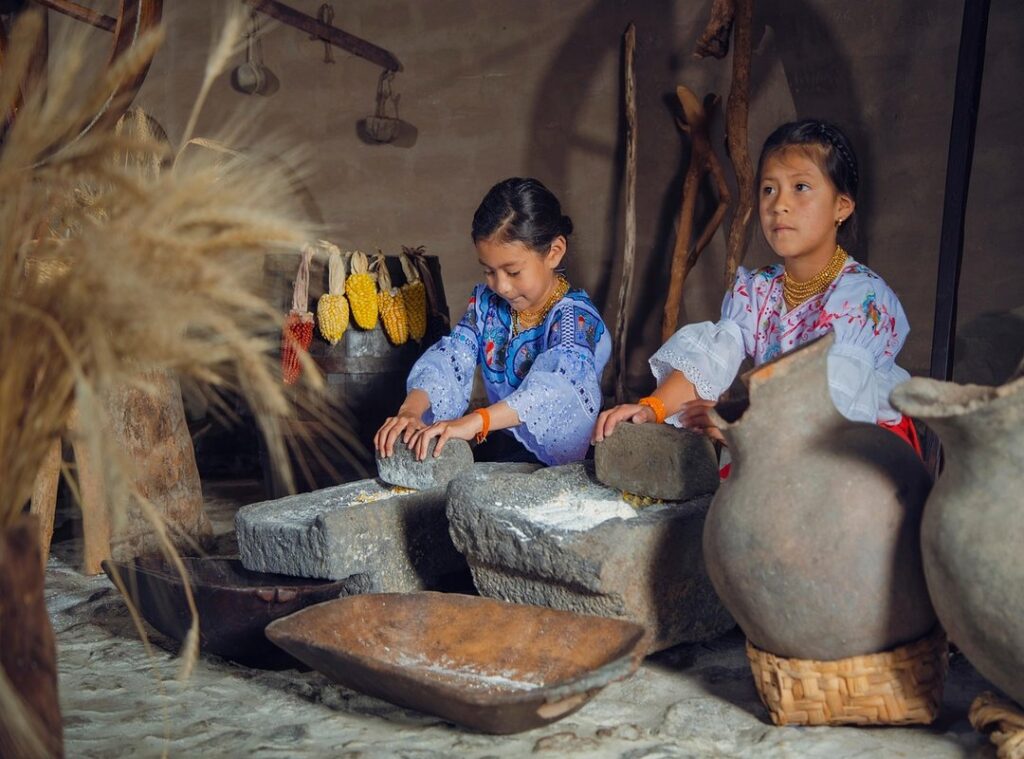
Human culture is a wild mix of unusual traditions communities that often go unnoticed. What makes a community truly unique? Many fascinating customs and practices stay hidden or misunderstood, and that’s a shame.
These traditions carry stories, values, and identities that shape who we are. Too often, we overlook them. I’m here to explore these unique finds, diving deep into the heart of communities worldwide.
We can’t afford to lose appreciation for global diversity. My commitment is to uncover compelling human stories that highlight the real-world applications of these traditions.
Together, we’ll start on a captivating journey, discovering and understanding cultural practices that deserve the spotlight. Expect fresh perspectives that challenge your views and broaden your horizons.
Join me as we explore the incredible diversity of human expression and what it tells us about ourselves. You’ll walk away with a richer understanding of the world around you.
What Makes Cultural Practices Tick: Uniqueness Unpacked
Let’s dig into what makes a cultural practice truly stand out. It’s more than just a habit or ritual. It’s shared behaviors, beliefs, rituals, and traditions passed through generations.
And not just repeated mindlessly, either. You know it’s unique when it’s got distinct origins, local twists, rare elements, or even deep meaning not found elsewhere.
Think about it. What’s the difference between unusual traditions communities have and, say, Christmas? It’s that local flavor.
Maybe a community speaks an indigenous language or has detailed art forms that tell stories unique to them. They have social structures or narratives you won’t see in mainstream global holidays.
These unique practices are like hidden gems. They enrich our understanding of human diversity, moving us away from just surface-level observation. Have you ever wondered what makes a practice more than just a quirky habit?
It’s that deep connection to place and people.
If you’re curious about other fascinating but lesser-known cultural phenomena, this guide might have something for you. It’s important to appreciate these unique practices because they challenge the way we see the world (and maybe even how we see ourselves).
Deep Roots: Unraveling Unique Traditions
Why do some communities have such distinct traditions? It’s fascinating how geography plays a role. Remote places often develop practices shielded from outside influences.
Take isolated islands, for example. They end up with customs that seem bizarre to outsiders but make perfect sense within their context.
Historical events shape traditions too. Migrations bring new ideas, but they also lead to unique fusions. Think about how indigenous stories or community struggles can forge traditions that are specific.
But I admit, how exactly these elements combine isn’t always clear cut. I’m not sure anyone can pinpoint it with precision.
Then there’s the environment. It forces adaptation. Communities in extreme climates often have practices tied to survival (like revering specific animals or plants).
These practical needs can morph into cultural staples over time.
Let’s not forget spiritual beliefs. They can lay the foundation for these quirks. In some places, ancestral reverence forms the bedrock of society.
It gives meaning that outsiders might miss.
Communities don’t develop unusual traditions randomly. They’re responses to real needs and contexts. To explore more about unusual traditions communities, check out this link.
You’ll find a treasure trove of fascinating examples.
A World of Wonders: Exploring Distinct Global Traditions
Imagine walking through the dense Amazon rainforest. You might stumble upon the Sateré-Mawé tribe and witness their coming-of-age ceremony. Young boys place their hands in gloves filled with bullet ants (yes, the sting is as painful as it sounds) to prove their strength and endurance.
It’s a rite of passage that reveals their resilience and prepares them for adulthood.
Then there’s the lively Tinku festival in Bolivia. It’s not your average celebration. Villagers engage in ritualistic combat, a clash of fists and colors, to honor the earth goddess, Pachamama.
This festival isn’t just about the fight; it’s about community spirit and balance (both literally and metaphorically).
Ever heard of the Mosuo people in China? They practice a unique form of matriarchal society. Women lead the households, and property is passed down through the female line.
It’s a fascinating twist on gender roles that challenges conventional norms.
Lastly, in the Canadian Arctic, the Inuit keep their culture alive through throat singing. This vocal art form is more than music; it’s a connection to their ancestors and a their enduring spirit. These unusual traditions communities hold are deep reflections of their identities and histories.
More Than Just Rituals: Community’s Secret Glue
I’ve seen it time and time again. Unique cultural practices are more than just rituals. They’re the glue that binds unusual traditions communities together.
When you dive into these traditions, you uncover how they create a strong, collective identity. You know what’s fascinating? They build a sense of belonging that makes each community distinct.
Why do these traditions matter so much? They play a key role in passing down knowledge. We’re talking history, values, even practical skills.
This isn’t just about nostalgia; it’s about survival. Each generation learns from the last, and traditions make sure nothing gets lost.
But there’s more. These practices offer meaning and purpose. They provide rites of passage and social roles.
You might find communal expression in a local festival or ceremony. It’s like the community’s soul on display, not just quaint customs.
Let’s not ignore the broader impacts. These practices can attract cultural tourism if managed ethically. They boost local craftsmanship and strengthen social networks.
It’s not just about preserving old ways. It’s about building a thriving community today. So next time you see a local festival, think about what’s really happening beneath the surface.
It’s a living expression of community identity.
Guardians of Heritage: Challenges in Preserving Traditions
In a world where everything’s constantly changing, how do we keep our unusual traditions alive? It’s a tough question. Globalization swallows our unique cultural practices faster than you can say “internet meme.”
Think about it. Kids today are glued to their phones, losing touch with their roots. Urbanization doesn’t help either.
It moves people away from their communities, making it hard to pass on traditions.
And let’s not forget climate change. It threatens not just our environment, but the very foundations of our cultures. Entire languages are disappearing, taking with them the stories and wisdom of generations.
Yet, some communities fight back. Grassroots projects, oral histories, and cultural education programs pop up to save what’s left. It’s inspiring to see.
They are the real heroes, not the suits in offices.
But hey, let’s not turn these traditions into tourist traps. Low-key, ethical engagement can help. Without making things feel like a theme park ride.
Documenting and archiving play a key role too. Larger organizations can lend a hand (slowly).
The hidden cultural gems world is at stake. We must respect, protect, and celebrate these practices, keeping them from fading into oblivion. It’s a global responsibility.
Are we up for it?
Dive Deeper into Culture
I loved exploring the richness of cultural practices. You felt that thrill too, right?
Understanding these unusual traditions communities is not just fascinating; it’s important. We need to preserve these traditions before they vanish.
Fostering empathy and broadening our perspectives starts with engagement. Every interaction counts.
So don’t stop here. Continue your journey of cultural discovery. Seek out diverse traditions.
Respectfully engage with them.
Champion cultural preservation in your own life.
Let’s keep these useful practices alive. Take action now. Start by learning more or reaching out to communities that inspire you.
Your role matters.
 Zayren Kinwhisper specializes in the tactical dissection of current events, offering a grounded yet forward-thinking approach to real-world applications. Known for a style that balances technical precision with accessible storytelling, Zayren explores the underlying mechanics of news to reveal how specific developments impact everyday life. His contributions provide a vital bridge between abstract data and practical understanding, making him an essential voice for readers who value strategic foresight and meticulous analysis.