
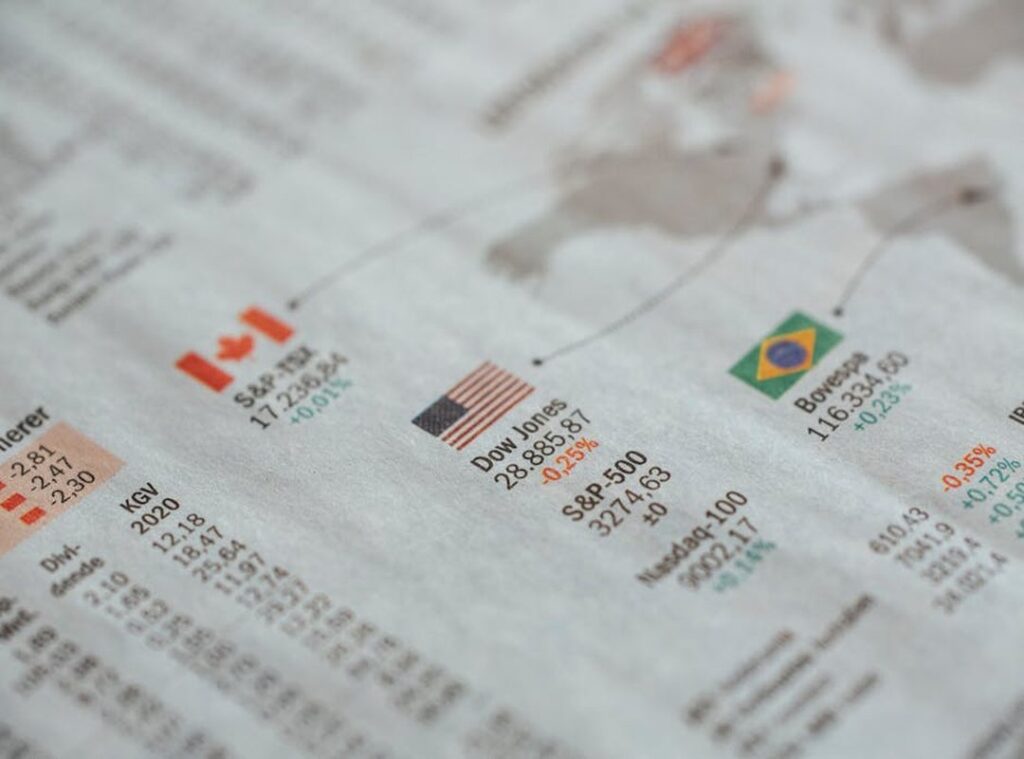
We all feel it. Prices keep rising, and it’s frustrating.
Understanding global inflation trends seems overwhelming, right? You’re not alone if you’re wondering why your grocery bill is hitting new highs or why gas prices are unpredictable.
I’m here to help you make sense of it all.
This guide will break down the complex forces that drive inflation worldwide. I promise to give you clear takeaways based on careful observations of economic trends.
You’ll get the context you need to understand not just the numbers but the real-life impact on your wallet.
I’ll tackle current events, dissect their implications, and explain how these economic shifts affect your daily life.
Together, we’ll get through this messy space of rising costs.
By the end, you’ll have a better grasp of what’s happening in the economy and why it matters to you.
Let’s dive in and demystify these trends.
Inflation Unpacked: The Basics and Beyond
Inflation sounds fancy, but it’s really just too many dollars chasing too few goods. Think about it: when prices at the grocery store or the gas station creep up, that’s inflation. A bit of it keeps things lively.
You don’t want prices to stay stuck forever. But too much inflation? It means your money buys less, and that’s a headache.
A touch of inflation can signal a growing economy, but when it spirals, it’s like quicksand. Consider demand-pull inflation. That’s when consumers are spending too much, driving prices up.
Why? Because oil is the lifeblood of transportation.
Simple, right? Flip the coin, and you’ve got cost-push inflation. An oil price surge can jack up the cost of everything, globally.
Understanding these basics is key (no exaggeration) if we want to wrap our heads around global inflation trends. It’s the first strategic step. Most folks don’t realize these types of inflation have real-world impacts.
Knowing them gives you a leg up on the next news flash about global markets (think oil, tech, and food prices). So, are you ready to dive deeper?
Forces Behind Price Jumps: An Inside Look
Let’s talk about global inflation trends. It’s not just news headlines (it’s) what hits your wallet every time you buy groceries or fill up your tank. Supply chain disruptions are a nightmare.
The pandemic? It turned shipping into a mess, bottlenecking goods and jacking up costs everywhere. Geopolitical tensions don’t help either (think energy and food prices skyrocketing).
Energy prices? They’re the wild card here. Oil and natural gas fluctuations ripple through transport and manufacturing, which means higher consumer prices.
You’ve probably felt it, right?
Then there’s government spending and central bank madness. Pumping too much money into economies sounds great (until) it spirals into inflation. Quantitative easing, anyone?
It’s like a runaway train.
Labor markets add to the chaos. Wage hikes and worker shortages push prices up even more. Industries are scrambling to balance it all.
It’s a domino effect.
And here’s the kicker: you can dig deeper into these issues by understanding implications trade wars. Trade wars aren’t just buzzwords. They’re part of this tangled web.
This is the real deal, affecting your day-to-day life. Let’s face it, these aren’t just numbers (they’re) shaping our world.
Inflation’s Wild Ride: Regions at Odds
Inflation is a beast that wears many masks. It’s not a one-size-fits-all kind of thing. While North America and Europe are grappling with strong consumer demands and energy shocks (thank you, post-pandemic recovery), Asia has its own story.
Some Asian countries manage inflation well, thanks to their export-driven economies. Others aren’t so lucky, struggling with food and energy costs.
Now, let’s talk about Latin America and Africa. Ever heard of currency depreciation and political chaos? These regions know them too well, amplifying inflation in ways others might not imagine.
Food insecurity? Yep, it’s a real kicker here.
Does global inflation truly play out the same everywhere? Not even close. You might think “global,” but really, it’s a patchwork.
Seeing the global inflation trends gives us a better picture.
Local factors like currency strength and political stability can seriously mess with global trends. It’s like the world’s worst reality show (every) region brings its own drama to the stage. Is this clear as mud?
Maybe. But that’s inflation for you. It’s a tangled web, one where regional quirks make all the difference.
And knowing this, you’re one step ahead.
Global Inflation: Feel It in Your Wallet
Ever felt like your money’s just slipping through your fingers? That’s global inflation trends for you. It hits home hard.
Businesses don’t get a pass either. Increased operational costs and shaky supply chains force them to tweak pricing strategies. But here’s the kicker: they can’t hike prices too much without losing you, their customers.
Groceries, rent, utilities (all) jumping up while your paycheck seems stuck in quicksand. Your spending power shrinks and savings? They erode faster than you’d like to admit.
It’s a tightrope walk, and one misstep means a nosedive in profits.
Investors face their own demons. Inflation chomps away at traditional assets like bonds and cash. Suddenly, diversification isn’t just a buzzword; it’s a lifeline.
Some asset classes (like) real estate or commodities (become) more attractive, offering a refuge from the inflation storm.
Don’t think we’re isolated in this. A drought in Brazil? It can spike coffee prices around the world.
The interconnectedness is real, and it matters. Global events ripple out, impacting economies far and wide. It’s a big, complex web we’re all a part of, and ignoring it isn’t an option.
So, how are you feeling the squeeze?
Strategies for Stability: Navigating an Inflationary World
Inflation’s a real pain, isn’t it? Prices creep up, and suddenly your paycheck doesn’t stretch as far. For individuals, budgeting is key.
Cut unnecessary expenses (yes, those daily lattes count). Look into inflation-protected assets. They’re designed to hold their value when everything else seems to be spiraling.
But let’s not forget debt management. High-interest debts can bury you. Pay those down first.
Also, consider skill development. Increasing your earning potential doesn’t just happen. You’ve got to make it happen.
Learn new skills that are in demand.
Businesses, you’re not off the hook either. Diversifying supply chains is key. Why rely on one source when you can have multiple?
Improve efficiency wherever possible. It’s all about adapting pricing models and exploring hedging options to protect against market volatility.
On a larger scale, central banks adjust interest rates to control inflation. Governments use fiscal policy to either cool things down or fire them up. It’s a balancing act.
Looking ahead, climate change might just throw a wrench in the works. Technological advancements and shifts in global trade? They’re game changers.
How will they impact future of remote work full? We’ll see.
Stay informed. Stay adaptable. Global inflation trends aren’t going away.
We need to be ready for whatever comes next.
Get through the Changing Economy
Understanding global inflation trends is important today. The complexity of price changes affects everyone’s daily life. I’ve shared takeaways on what drives inflation and how it varies by region.
This knowledge gives you an edge when making decisions.
Now, don’t stop here. Keep seeking reliable analysis to stay ahead. Your financial well-being depends on it.
Are you ready to take control? Don’t let uncertainty dictate your choices. Dive deeper into these trends and help yourself.
The information is out there. Take action now. Your future self will thank you for it.
 Tony Zafiellis established Altway Guides as a specialized platform dedicated to transforming the traditional news cycle into a source of actionable intelligence. By focusing on in-depth news dissection and current event analysis, Zafiellis has created a space where readers can explore the practical, real-world applications of global trends and unique finds. His vision centers on providing clarity and foresight, ensuring that the Altway community receives high-level insights that go beyond the surface of daily headlines.