
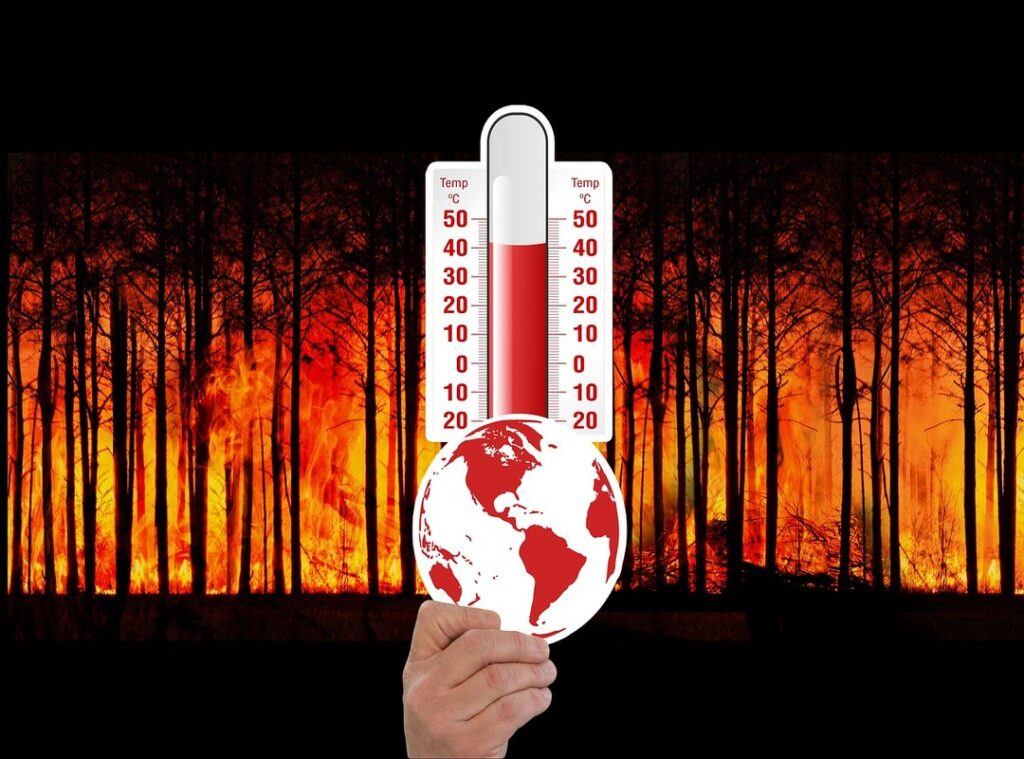
Climate change is a massive challenge we can’t ignore. It’s not just a buzzword; it’s our reality. We all share the responsibility to tackle it, but how do we do that?
This article aims to demystify global climate accord and explain what it is, why it matters, and how it works. You might be wondering why you should care about these agreements. They play a key role in shaping our planet’s future.
I believe a deep dive into international climate agreements is important for understanding global efforts against climate change. Without this knowledge, we risk missing the bigger picture.
In this piece, I’ll break down complex frameworks into simple terms. You’ll see why these agreements are key tools for climate action.
By the end, you’ll have a full understanding of how these instruments function. This isn’t just for climate experts; it’s for anyone who wants to be informed. Together, we can grasp the path forward and take collective action against climate change.
Global Climate Accords: A World-Wide Team Effort
International climate agreements are essentially deals between countries to tackle climate change. They can be legally binding or not (it’s complicated), but they all aim to address global warming. Why?
Because climate change doesn’t care about borders. It’s like a nosy neighbor (always) poking into your yard.
These agreements focus on cutting greenhouse gas emissions, adapting to climate impacts, and offering financial and tech support. The world’s got a lot of inequality, and these accords recognize that. Enter “common but differentiated responsibilities.” This mouthful means countries contribute based on their abilities and histories.
It’s a nod to fairness. Because one size definitely doesn’t fit all.
Legal frameworks and diplomacy are the backbone of these accords. They’re not perfect but show our collective ambition. We all know global collaboration is tricky (ask the UN), but these agreements push for progress.
It’s the best shot we have to make real change.
Curious about tech’s role in this fight? You might want to learn more about how innovations are shaping this journey.
Big Moments in Climate Action: Their Impact and Legacy
The story of global climate accord efforts is filled with both milestones and missteps. It all started in 1992 with the United Nations System Convention on Climate Change. This foundational treaty set the stage for the annual Conference of the Parties (COP), where world leaders (or their representatives) gather to discuss how to tackle climate change.
It was game-changing at its inception, yet it merely scratched the surface.
Then came the Kyoto Protocol in 1997, with its binding emission reduction targets for developed countries. It seemed like a step in the right direction. However, its limitations became evident over time.
The market mechanisms, like emissions trading, were meant to make things flexible, but they also created loopholes. It expired, leaving us with lessons more than solutions.
Fast forward to 2015, and here comes the paris agreement. Its universal approach made it game-changing. We saw the introduction of Nationally Determined Contributions (NDCs).
Each country setting its own targets. This was bold, aiming to limit global warming to well below 2°C (preferably 1.5°C). The agreement called for enhanced transparency.
But let’s face it, it still relies heavily on global goodwill.
Each accord built (or faltered) on the prior’s strengths and weaknesses. We learned, adapted, and iterated. Are we doing enough?
Probably not. But at least the urgency is clear, and the clock is ticking. What will the next chapter in climate action bring?
It’s on us to decide.
Driving Impact: Turning Agreements into Action
You ever wonder how all those global talks lead to real-world change? International climate agreements act as blueprints, pushing countries to move beyond just promises. Nationally Determined Contributions (NDCs) under the Paris Agreement are where each country writes its own playbook. They set targets, report progress, and (hopefully) up their game over time.
It’s like an evolving plan meeting.
Now, money talks, right? the Green Climate Fund (GCF) jumps in, among other financial pathways. We’re talking about shifting resources from developed to developing nations. This financial backing supports projects that cut emissions and help vulnerable areas adapt.
Without this, we’d be stuck in a loop of empty words.
Technology transfer and capacity building are no small feat either. They’re key for ensuring all nations (big,) small, rich, or poor. Can dive in effectively.
Think of joint research projects or even multi-country adaptation strategies. Global collaborations sparked by these accords show us what teamwork can really achieve.
Ever notice how global commitments ripple down to local levels? Business strategies and community initiatives often get a nudge from these big talks. It’s like a domino effect.
So, while a global climate accord might seem abstract, it’s a spark for tangible action. In the end, agreements aren’t just ink on paper; they’re engines of change.
Navigating Global Climate Challenges: Complex and Controversial
Global climate efforts sound noble, right? But there’s more complexity than meets the eye. One big issue?
The ‘free-rider’ problem. Some countries reap the benefits of reduced emissions by others without chipping in themselves. You know the ones.
Happy to kick back while others take action. It’s a real pain in the global climate accord’s side.
But how effective is that, really? Without a strong enforcer, some countries just don’t feel the heat.
And let’s talk enforcement. We don’t have a global cop patrolling emissions. Instead, we rely on peer pressure and reputational damage.
Now, who’s paying for all this climate action? Developed nations point fingers at developing nations and vice versa. The debate over historical responsibility is heated (pun intended).
It’s an ongoing tug-of-war on who should bear the greatest burden.
Then there’s the ‘ambition gap’. Current national commitments (those are NDCs for the climate nerds) aren’t quite hitting the Paris Agreement’s 1.5°C or 2°C targets. Disappointing, isn’t it?
Geopolitical shifts only add to the mess, complicating cooperation and commitment. We need persistent diplomacy to keep moving forward.
The Path Forward: Strengthening Global Climate Cooperation
We’re at a crossroads with the global climate accord. It’s not just about promises on paper anymore. The shift towards adaptation and resilience is finally getting the attention it deserves because, honestly, mitigation alone won’t cut it.
You know it, I know it.
Non-state actors. Cities, businesses, civil society. Are stepping up big time.
They’re driving climate action and setting the pace for national commitments. It’s about time. And let’s talk money for a second.
New financing mechanisms and private sector engagement are key (yes, I used that word) to ramp up climate investments.
Scientific guidance? Absolutely important. Transparent reporting builds trust and informs policy decisions.
It’s a no-brainer.
While challenges loom, the system for cooperation is strong and evolving. We’re inching towards solutions that actually work. Speaking of evolving, check out how the vaccine rollout progress is reshaping public health.
Let’s keep pushing forward.
Take Action on Climate Change Now
I hope this overview helped you get through the confusing world of global climate governance. The complexity of international climate agreements can feel overwhelming. But these agreements are important; they create the system for collective action against a shared threat.
Stay informed about ongoing COPs and national policies. Join organizations that focus on climate solutions. Your participation matters.
Informed citizens can shape a sustainable future. Don’t just read about it (act) on it. Engage now and contribute to the change we need.
The world needs you to be part of this movement for our global climate accord.
 Vionelle Glimmervale brings a sophisticated and ethereal perspective to the team, focusing on the nuanced intersections of news and cultural shifts. Her work emphasizes the "Glimmervale" philosophy of finding clarity within complex narratives, ensuring that every piece of analysis feels both polished and profoundly insightful. With an eye for high-end detail, she helps deconstruct global events into digestible, meaningful trends that resonate with a modern audience seeking depth over brevity.