
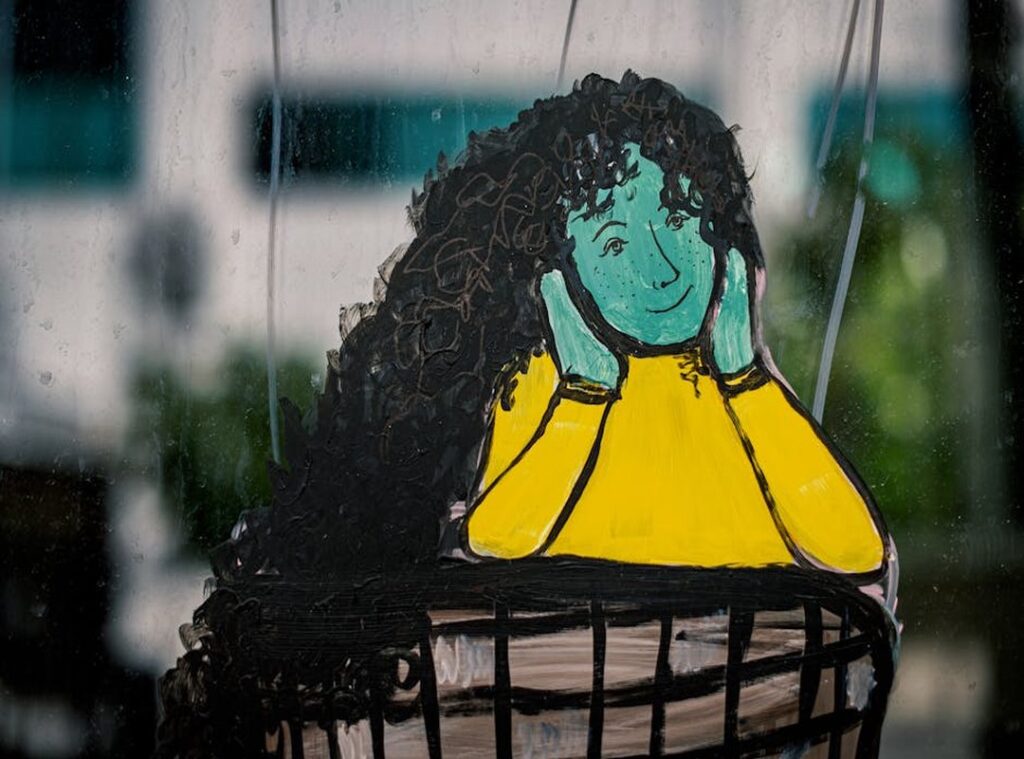
Imagine a drawing of a woman with a warm, inviting smile. She’s dressed in vibrant, colorful clothing, and she’s holding a steaming pot on a historic street. This is the negrita mazamorrera dibujo, a cherished symbol of Peruvian culture and history, especially in Lima.
She represents more than just a figure; she embodies the rich traditions and daily life of Peru. In this guide, you’ll learn who she is, what she stands for, and the key elements to create an authentic drawing of her.
This isn’t just for artists. It’s for anyone interested in cultural art, history, or looking for a unique and meaningful drawing subject.
I’ll break down the artistic and cultural components into easy-to-understand pieces. You’ll get a clear, step-by-step approach that makes it simple to bring this iconic figure to life.
Who Is the ‘Mazamorrera’? Unpacking a Cultural Legend
In colonial-era Lima, the streets were alive with the sounds of pregones—street vendor calls that echoed through the city. These calls were more than just advertisements; they were a vibrant part of daily life.
The mazamorrera was a street vendor, typically of Afro-Peruvian descent, who sold a traditional dessert called mazamorra morada. This sweet, purple corn pudding is a beloved treat in Peruvian cuisine. It’s not just a dessert; it’s a piece of history and culture.
The Symbolic Importance of the Mazamorrera
She represents resilience, tradition, and the lively street life of old Lima. Her presence in Peruvian folklore and music is a testament to her enduring legacy. For instance, she’s often associated with the famous waltz “La Flor de la Canela” by Chabuca Granda.
Drawing the mazamorrera dibujo is not just about sketching a person. It’s about capturing a piece of living history. Each stroke of the pencil or brush brings to life the stories and traditions that have shaped Lima’s cultural landscape.
- Resilience: She embodies the strength and perseverance of the Afro-Peruvian community.
- Tradition: Her role in selling mazamorra morada keeps an important culinary tradition alive.
- Cultural Icon: Her image is woven into the fabric of Peruvian folklore and music.
When you see or draw the mazamorrera, remember that you’re not just looking at a figure from the past. You’re connecting with a rich, ongoing story.
The Key Visual Elements of an Authentic Mazamorrera Drawing
When you think about a mazamorrera dibujo, the first thing that comes to mind is the traditional attire. A wide, colorful skirt (pollera) in vibrant colors like red and yellow, paired with a simple white blouse and a headscarf or turban.
The essential props are just as important. She’s always seen with a large pot or ‘olla’ containing the mazamorra, and a ladle for serving. These items are central to her identity.
Her expression and posture should convey warmth, friendliness, and pride. Often, she’s depicted in motion, as if calling out to customers. This brings the drawing to life.
For the background, imagine colonial-style architecture with wooden balconies, cobblestone streets, or a plaza. This places her in the correct historical context. Altwayguides
CAPS: Pay attention to the texture and details. The steam rising from the pot, the folds in her skirt, and the rustic look of the cookware. These elements make the drawing feel authentic and respectful of the culture.
Getting these specific details right can take some time. But after a few weeks of practice, you’ll start to see the difference. It’s all about capturing the essence and spirit of the mazamorrera.
A Simple Step-by-Step Guide to Sketching the Mazamorrera Dibujo

Alright, let’s dive into this. First things first, you need to get the basic composition right. Use simple shapes like circles and ovals to block out her pose, the position of her head, and the large pot she carries.
Next, refine the figure’s outline. Sketch the flowing shape of her skirt, the form of her blouse, and the wrap of her headscarf.
Now, add the defining details. Draw her facial features with a gentle smile, the ladle in her hand, and the rim of the pot.
Time for texture and shading. Use cross-hatching or soft shading to give depth to her clothes and the pot, making the drawing feel three-dimensional.
If you’re using color, suggest a simple color palette. Focus on warm, earthy tones for the setting and bright, primary colors for her clothing.
Pro tip: Don’t rush, and take your time with each step. The more you focus on the details, the better your final sketch will look.
More Than a Drawing: Celebrating a Rich Cultural Heritage
The negrita mazamorrera dibujo is a historical figure from Peru, embodying tradition and street culture. Capturing her essence in a drawing requires an understanding of her distinctive clothing, the tools she carries, and her warm, inviting spirit.
Feel confident in your ability to sketch this iconic character by following the provided steps.
Try drawing your own ‘Mazamorrera’ and delve deeper into the captivating world of Peruvian art and history.
 Zayren Kinwhisper specializes in the tactical dissection of current events, offering a grounded yet forward-thinking approach to real-world applications. Known for a style that balances technical precision with accessible storytelling, Zayren explores the underlying mechanics of news to reveal how specific developments impact everyday life. His contributions provide a vital bridge between abstract data and practical understanding, making him an essential voice for readers who value strategic foresight and meticulous analysis.