
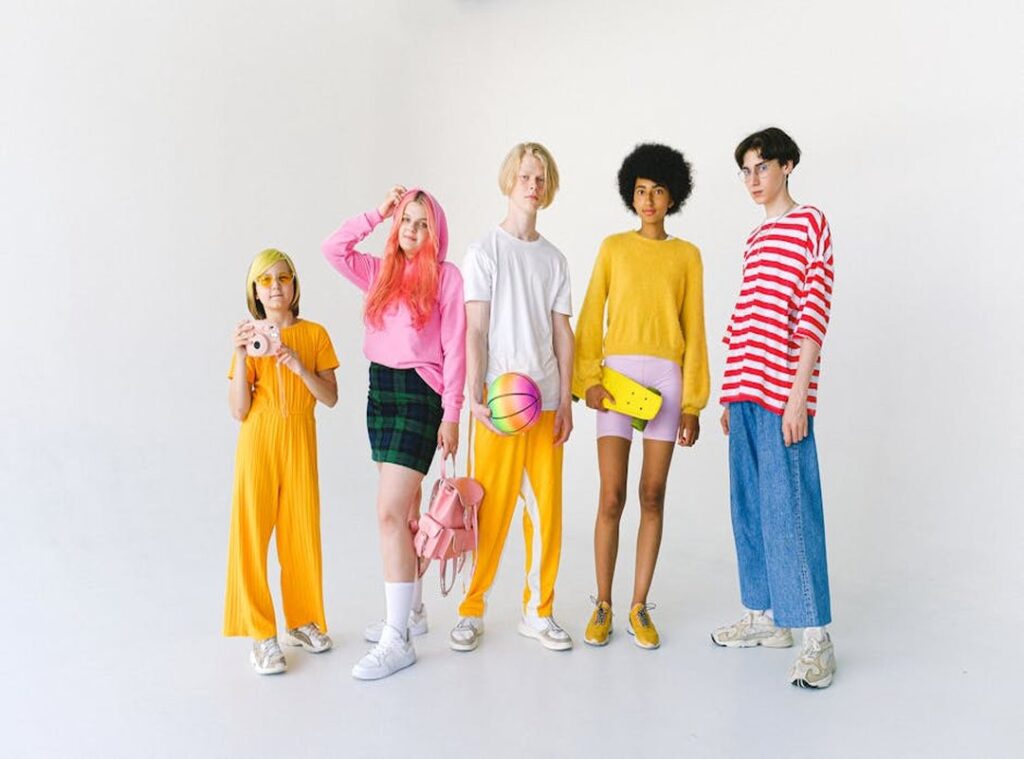
Culture shifts faster than most people notice.
You scroll past something weird on TikTok and think what the hell is that (then) it’s everywhere.
I’ve watched trends explode and vanish in weeks. Not months. Weeks.
This isn’t about guessing what’s coming next. It’s about spotting what’s already here (and) why it matters.
We’ll cut through the noise. No fluff. No vague predictions.
Just what’s actually moving people right now.
Social media? Yes. Fashion?
Absolutely. TV shows, slang, even how people argue online. It’s all part of the same pulse.
You don’t need a degree to get it. You just need clarity.
That’s what this is: a straight shot of what’s shaping how we talk, dress, laugh, and fight.
Understanding these shifts helps you connect (not) perform.
It helps you stop feeling behind.
Culture Trends Elmagcult isn’t a textbook. It’s a filter.
Read this and you’ll know what to watch, what to ignore, and what to say when someone asks so what’s going on out there?
You’ll walk away ready to join the conversation (not) just overhear it.
How Niche Groups Took Over
I used to post blurry vacation pics and call it social media. Then I joined a Discord server for restoring 1980s Japanese calculators. Yeah, that’s real.
(And yes, they have opinions about capacitor brands.)
That’s where I first saw Culture Trends Elmagcult in action. Not as theory, but as people arguing passionately about font kerning in vintage fanzines.
Niche communities aren’t side projects. They’re the main event now. They form around hyper-specific things: competitive spoon carving, synthwave cover bands from Belarus, or annotated translations of 19th-century beekeeping manuals.
You find them on Discord, small subreddits nobody links to, TikTok hashtags with 12,000 followers, and Facebook groups that look like abandoned forums.
Why do they stick? Because you stop explaining yourself. You post a photo of your hand-stitched steampunk monocle strap, and three people immediately ask about your thread tension.
No small talk. No performance.
These groups don’t just talk. They leak outward. A meme starts in a Star Trek: Voyager deep-cut Discord, then hits Twitter, then shows up on a billboard in Portland.
Same with fashion trends. Same with music samples.
It’s not top-down anymore. It’s sideways. From one obsessed person to another.
Until it’s everywhere.
Want to see how this actually moves? Check out Elmagcult.
I still post vacation pics. But now I tag them with the exact model of film camera I used. Someone will notice.
Someone always does.
Sustainability Is Normal Now
I used to get side-eye for carrying a reusable bag.
Now it’s weird not to.
Caring about the planet isn’t niche anymore.
It’s baked into how people shop, eat, and move.
Sustainable fashion means buying less (not) “capsule wardrobe” nonsense, just less. Thrift stores are full. Vintage shops charge what they want.
And yeah, some brands actually track their emissions (most don’t (but) people notice).
Conscious consumption? It’s just asking: Who made this? Where did it come from?
Will it rot in a landfill in six months?
Food follows the same logic. Plant-based options are on every menu (even) at gas stations. Local produce isn’t a trend.
It’s just fresher.
Eco-tourism isn’t about sleeping in a treehouse. It’s choosing trains over flights when you can. Skipping the all-inclusive resort that pumps waste into the bay.
Younger generations aren’t waiting for permission. They’re voting with wallets (and) walking away when companies lie. That pressure is real.
It’s shifting supply chains faster than most CEOs admit.
This isn’t virtue signaling. It’s culture catching up to consequence. Culture Trends Elmagcult tracks how fast that’s happening.
Short Videos Rule Everything
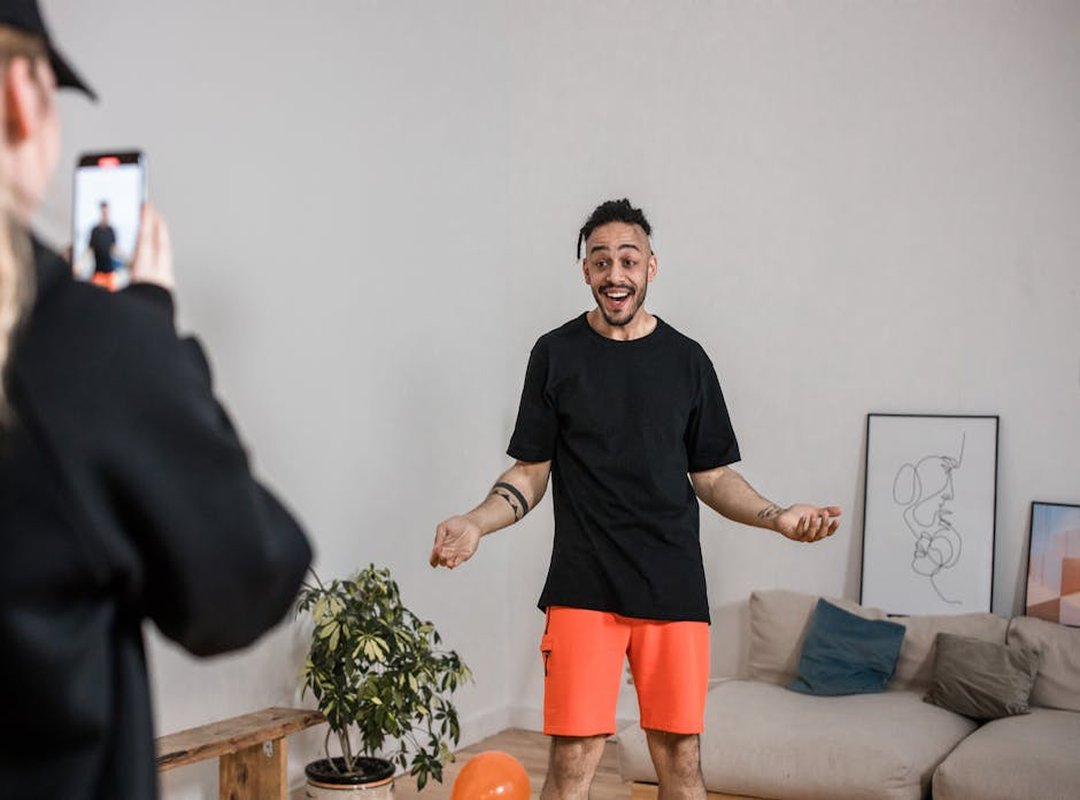
I scroll TikTok while waiting for coffee.
You do too.
These apps rewired how we pay attention. Not because they’re clever. Because they match how our brains actually work now.
Short videos are easy to start. Easy to stop. Easy to reshare without thinking.
That’s why dance challenges blow up overnight. Why a 27-second cooking hack gets 2 million likes.
News? Gone are the 90-second TV segments. Now it’s a green-screen explainer with captions and trending audio.
Learning? A kid teaches algebra using memes. It sticks.
Instagram Reels turned baristas into editors. Teachers into performers. Grandmas into meme lords.
(Yes, my aunt posted a lip-sync video last Tuesday. It got more views than my college thesis.)
Music charts don’t move from radio play anymore. They move from sounds going viral in 15-second clips. Celebrities don’t just act or sing (they) trend by reacting, dancing, or just blinking at the camera the right way.
This isn’t just entertainment. It’s how culture breathes now. Which is why I track shifts like this in Culture news elmagcult.
You ever catch yourself watching the same 8-second clip three times? Yeah. Me too.
It’s not dumbing down. It’s speeding up. And you’re already fluent.
Nostalgia Is Lazy Comfort
I miss things I never lived through. That’s not weird. That’s just how nostalgia works now.
It’s not memory. It’s mood. A filter.
A costume. You put on cargo pants and feel like you’ve solved something.
Baggy jeans? Back. Y2K butterfly clips?
Back. That low-budget 90s sitcom reboot? Also back (even) though the original wasn’t that good.
People say it’s about comfort. I say it’s about avoiding the present. The past feels safe because it’s already over.
No decisions left to make. No consequences pending. (Also, nobody’s asking you to explain your politics on TikTok in 1997.)
Brands know this.
They slap a VHS grain effect on a soda ad and call it “authentic.”
Artists drop songs that sound like they were ripped from a mall food court CD in 2003.
None of it is accidental.
It’s cheaper to reheat than cook fresh.
Nostalgia isn’t deep. It’s decorative. It looks cool in photos.
It sells merch. It fills streaming queues.
But don’t mistake repetition for meaning.
Just because something’s familiar doesn’t mean it’s better.
If you’re chasing old vibes, ask yourself:
Are you actually happy (or) just pretending to be?
For real contrast, check out Traditional Trends Elmagcult.
What This Means for You
Culture isn’t waiting.
I watch it shift every day. Not in boardrooms, but in group texts, TikTok comments, and coffee shop conversations.
You saw it too: digital communities forming fast, people choosing brands like they choose friends, short videos winning attention, nostalgia selling tickets and sweatshirts.
These aren’t fads.
They’re signals (about) how we connect, what we value, and how we speak now.
You already feel the pressure to keep up. But you don’t need to chase every trend. Just notice one.
Ask yourself: Where did I see this last week? Who used it? Why did it stick?
That’s where real understanding starts.
Stay curious. Look closer. And start shaping what comes next (not) just watching it.
Ready to go deeper? Dive into Culture Trends Elmagcult today.
 Vionelle Glimmervale brings a sophisticated and ethereal perspective to the team, focusing on the nuanced intersections of news and cultural shifts. Her work emphasizes the "Glimmervale" philosophy of finding clarity within complex narratives, ensuring that every piece of analysis feels both polished and profoundly insightful. With an eye for high-end detail, she helps deconstruct global events into digestible, meaningful trends that resonate with a modern audience seeking depth over brevity.