
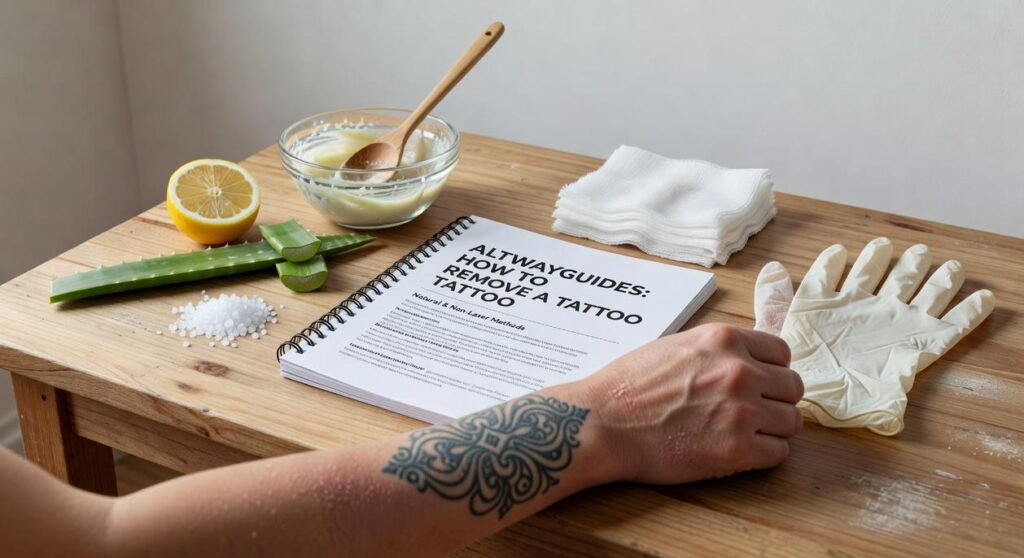
I’ve seen too many people try to remove tattoos with methods that leave them worse off than when they started.
You’re probably here because you have a tattoo you want gone. And you’ve already found a dozen different answers online, half of them sketchy at best.
Here’s the truth: most of what you’ll read about tattoo removal is either outdated or flat-out dangerous.
I spent weeks going through dermatological studies and clinical data to figure out what actually works. Not what some forum says works. What the science shows.
This guide breaks down the safe ways to remove a tattoo. I’ll walk you through each method, what it costs, how long it takes, and what you should expect at each step.
We pulled from real patient outcomes and current medical best practices. That means you’re getting information that reflects what’s happening in clinics right now, not what worked five years ago.
You’ll learn which methods are worth considering and which ones you need to avoid completely.
No miracle cures. Just the real options and what each one actually does.
How to remove a tattoo altwayguides starts with understanding what’s safe and what’s not.
Before You Begin: Key Factors That Influence Tattoo Removal Success
Here’s what most people don’t realize about tattoo removal.
That piece you got five years ago? It’s going to come off way easier than the one you got last month.
I know that sounds backwards. But older tattoos have already started breaking down on their own. Your immune system has been working on it this whole time (just really slowly).
Now let’s talk about size and location.
A small ankle tattoo is going to respond differently than a full sleeve. And tattoos over bone? They tend to take longer because there’s less blood flow to help flush out the ink particles.
The color thing is where it gets interesting.
Black ink is the easiest to remove. Period. That’s because the lasers we use today were basically designed with black ink in mind.
But those bright greens and yellows you thought looked so good? They’re stubborn. Blue can be tricky too. The laser wavelengths that work on black don’t always hit these colors the same way.
Some clinics will tell you they can remove any color. Technically true. But you’re looking at more sessions and sometimes the results aren’t perfect.
Your skin tone matters more than you think.
We use the Fitzpatrick scale to assess this. If you have darker skin, you’re at higher risk for pigmentation changes. The laser can sometimes lighten or darken the treated area.
That doesn’t mean you can’t get which is the procedure in tattoo removal altwayguides. It just means your technician needs to know what they’re doing and adjust the settings accordingly.
Professional tattoos are actually harder to remove.
I see people surprised by this all the time.
A professional artist uses quality ink and applies it at the right depth. That’s great for how to remove a tattoo altwayguides longevity. Not so great for removal.
Amateur tattoos with inconsistent depth and cheaper ink? They often come off faster.
The Gold Standard: Laser Tattoo Removal Explained
You want that tattoo gone.
I’m not going to ask why. Maybe it’s an ex’s name. Maybe it’s just bad art. Doesn’t matter.
What matters is understanding how laser removal actually works before you book that first appointment.
Here’s the simple version. A laser fires concentrated light energy at your tattoo. That energy breaks ink particles into tiny fragments. Then your immune system does what it does best and clears those fragments away over the next few weeks.
Think of it like smashing a rock into pebbles. Your body can’t remove the rock, but it can handle the pebbles.
Q-Switched vs. Picosecond Lasers
You’ll hear these terms thrown around. Here’s what you need to know.
Q-switched lasers have been around for years. They use heat to break up ink particles. They work, but they take time.
Picosecond lasers are newer. They use pressure waves instead of just heat (called photoacoustic energy if you want to sound smart at parties). This means they shatter ink more effectively with less damage to surrounding skin.
The real difference? Fewer sessions. Better results on colors like green and blue that used to be nearly impossible to remove.
Are they worth the extra cost? If you’re dealing with a multicolor piece or want faster results, yes.
What Actually Happens During a Session
First visit is a consultation. Someone will look at your tattoo and give you realistic expectations based on size, colors, and your skin type.
When you come in for treatment, they’ll clean the area and might apply numbing cream (though not everyone does this). You’ll put on protective eyewear because that laser is bright.
Then comes the actual removal. The technician moves the laser over your tattoo in a grid pattern. You’ll hear clicking sounds and might smell something burning. That’s normal. It’s just the ink breaking down.
Afterward, they’ll apply ointment and bandage you up. The area will look white and frosted immediately, then it’ll probably swell and maybe blister over the next day or two.
Pain, Sessions, and Cost
Let’s be honest about pain. Most people compare it to getting snapped with a rubber band repeatedly. Some say it hurts more than getting the tattoo. Some say less.
I can tell you this: it’s tolerable. People do it all the time without passing out.
Sessions? Plan on 6 to 12 treatments spaced 6 to 8 weeks apart. Black ink goes fastest. Colors take longer. Location matters too because areas with better blood flow clear faster.
Cost runs anywhere from $200 to $500 per session depending on tattoo size and where you live. Small tattoos cost less. Full sleeves cost more. Do the math and you’ll see why people think twice before getting inked these days.
Want to learn more about how to remove a tattoo altwayguides and other body modification topics? Check out altwayguides for detailed breakdowns.
Bottom line: laser removal works. It takes time and money, but it gets the job done.
Alternative Professional Methods: When Are They Used?
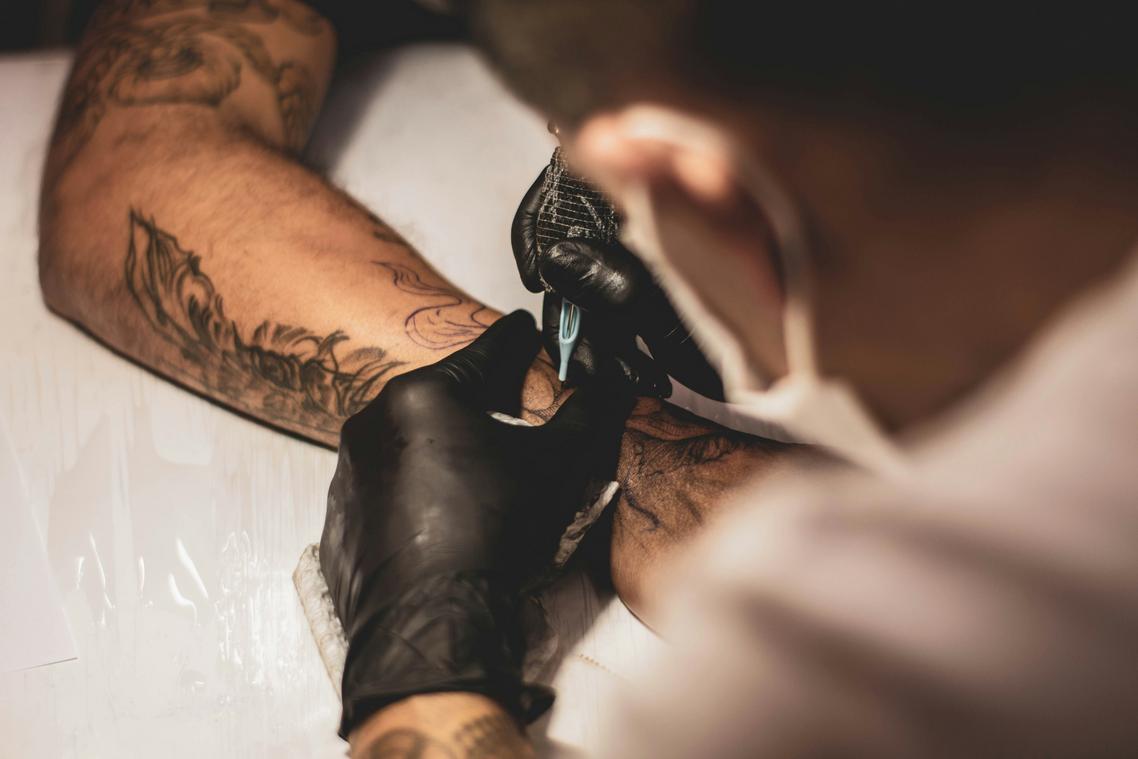
Most people think laser removal is the only real option.
And honestly, for most tattoos, they’re right.
But there are situations where other methods make sense. Not many, but they exist.
Let me walk you through what else is out there.
Surgical Excision
This is exactly what it sounds like. A doctor cuts out the tattooed skin and stitches the edges back together.
I know that sounds extreme. Because it is.
But for tiny tattoos (think smaller than a quarter), it can work. The procedure is quick. You walk in with a tattoo and walk out without one.
The catch? You’re trading ink for a scar. Always. There’s no way around it when you’re literally removing skin.
Some doctors will tell you the scar will be minimal. And if the tattoo is small enough and placed in the right spot, that might be true. But you need to go in knowing you’re making a trade.
Dermabrasion
This method basically sands down your skin to reach the ink below.
Think of it like using sandpaper to remove paint from wood. Except the wood is your skin (not a great mental image, I know).
The technician uses a rotating device to abrade the top layers of skin where the tattoo sits. The idea is that as your skin heals, it regenerates without the ink.
Here’s the problem. Results are all over the place. Some people see decent fading. Others end up with texture changes and scarring that looks worse than the original tattoo.
Plus, it hurts. A lot. And the healing process is rough.
I’ve seen people try dermabrasion after reading it’s cheaper than laser. What they don’t realize is that how to remove a tattoo altwayguides like this often need multiple sessions anyway, and you’re still dealing with unpredictable outcomes.
Why Laser Wins
Look, I get why people explore other options. Cost is real. Time commitment is real.
But laser technology became the standard for a reason.
It targets ink without destroying the surrounding skin. The FDA has cleared multiple laser systems specifically for tattoo removal. And when done right, scarring is rare.
Can you still scar from laser? Sure. But your odds are way better than with excision or dermabrasion.
The other methods have their place. A small tattoo in a hidden spot where you don’t mind a scar? Excision might make sense.
But for most people with most tattoos, laser is the move. It’s not perfect, but it’s the closest thing we have.
CRITICAL WARNING: Methods to Absolutely Avoid
Let me be clear about something.
There are removal methods out there that will wreck your skin. Permanently.
I’m talking about removal creams that promise to fade your tattoo from home. They don’t work. Can’t work, actually.
Here’s why.
Tattoo ink sits in the dermis. That’s the second layer of your skin, deep below the surface. These creams can only reach the epidermis (the top layer). They literally cannot get to where the ink lives.
What they can do is burn you.
Most contain trichloroacetic acid or hydroquinone. Strong stuff that causes chemical burns and scarring that lasts longer than your tattoo ever would.
At-home acid or saline kits are even worse.
Some people think they can replicate what professionals do. They buy kits online that use acids or saline solutions to break down ink. No sterile environment. No medical training. No proper equipment.
You know what they get instead? Infections. Disfigurement. Scars that make them wish they’d just kept the tattoo.
I’ve seen the photos. Trust me, you don’t want that.
The bottom line is simple.
Safe tattoo removal is a medical procedure. It needs to be done by someone who’s qualified and licensed to do it. Someone who understands skin anatomy and knows how to improve your writing style altwayguides how to remove a tattoo altwayguides without destroying your skin in the process.
Don’t risk it with shortcuts.
Making Your Decision: The Path to Clear Skin
You came here with a question about getting rid of unwanted ink.
Now you know the answer. Clinically-proven laser removal works. The sketchy alternatives you see online don’t.
I get it. Living with tattoo regret is frustrating. You want it gone yesterday.
But here’s the thing. Choosing the wrong removal method creates a bigger problem than the one you started with. Scarring and skin damage don’t fade like ink does.
Modern laser technology gives you a real solution. When a trained expert handles the procedure, you get results with minimal risk.
The science backs this up. Board-certified dermatologists use FDA-approved lasers that break down ink particles without destroying your skin. It takes time but it works.
how to remove a tattoo altwayguides has shown you the safe path forward.
Your next move isn’t to buy some cream or try a home remedy. It’s to schedule a consultation with a board-certified dermatologist or reputable laser removal clinic.
Get a personalized assessment. Ask about their experience and equipment. Look at before and after photos of real patients.
That consultation tells you exactly what your removal will involve. Timeline, cost, and realistic expectations all laid out.
The regret you feel right now doesn’t have to be permanent. But the decision you make next determines whether you get clear skin or create a new problem.
 Tony Zafiellis established Altway Guides as a specialized platform dedicated to transforming the traditional news cycle into a source of actionable intelligence. By focusing on in-depth news dissection and current event analysis, Zafiellis has created a space where readers can explore the practical, real-world applications of global trends and unique finds. His vision centers on providing clarity and foresight, ensuring that the Altway community receives high-level insights that go beyond the surface of daily headlines.