
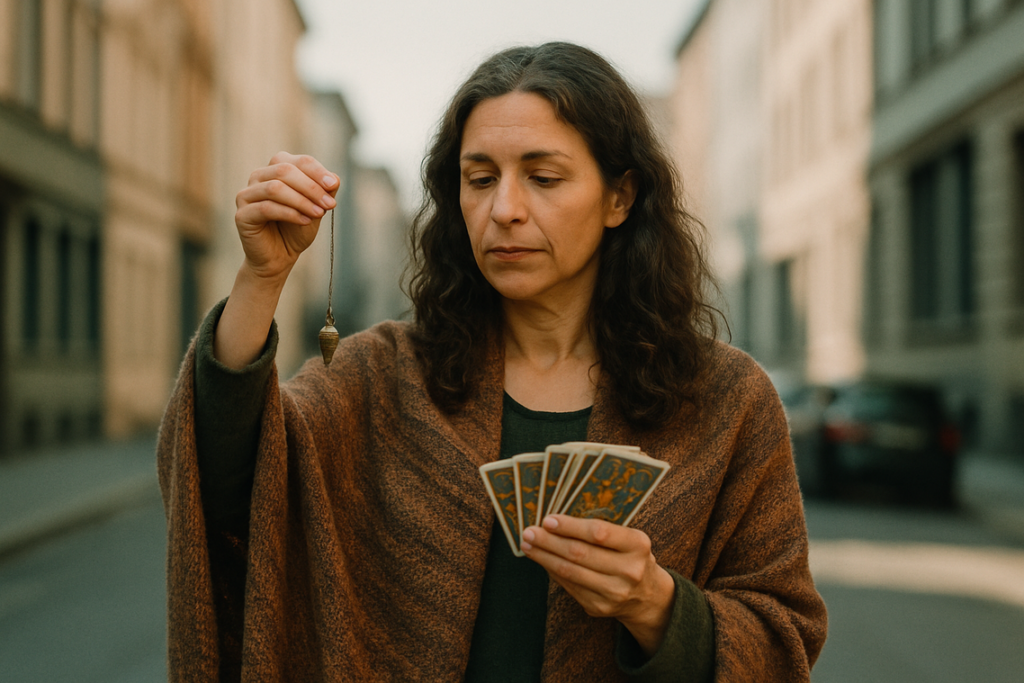
I started exploring alternative wellness because conventional medicine wasn’t giving me the answers I needed.
You’re probably in the same boat. You know there’s more out there than what your doctor prescribed, but where do you even start? The internet is packed with conflicting advice and miracle cures that sound too good to be true.
Here’s the thing: alternative wellness isn’t some fringe movement anymore. Millions of people are finding real results with practices that go beyond the prescription pad.
I’ve spent months researching the most trusted approaches in alternative wellness. Not the trendy stuff that disappears in six months. The practices that have stood the test of time and actually help people feel better.
This guide cuts through the noise. I’ll break down the main categories of alternative wellness so you can figure out what might work for you. No medical jargon. No overwhelming lists of every practice under the sun.
We built altwayguides to give you clear information you can actually use. We research the practices that matter and present them in a way that makes sense.
You’ll learn the core approaches to alternative wellness and how to choose one that fits your health goals. By the end, you’ll have the confidence to take your first step without feeling lost.
No magic promises. Just a clear path forward.
Defining Alternative Wellness: More Than Just a Trend
I remember sitting in my doctor’s office a few years back with chronic back pain that wouldn’t quit.
He handed me a prescription and said come back in six weeks if it doesn’t improve.
That was it. No questions about my stress levels or sleep habits or what I was eating. Just a pill and a follow-up appointment.
I filled the prescription but something felt off. Like we were treating the alarm instead of finding the fire.
That’s when I started looking into what people call alternative wellness.
What Alternative Wellness Actually Means
Here’s the simple version. Alternative wellness covers health practices that fall outside standard Western medical care.
We’re talking about things like:
- Acupuncture
- Herbal medicine
- Meditation and mindfulness
- Chiropractic care
- Energy healing
The list goes on. What ties them together is a different approach to health itself.
Western medicine excels at treating acute problems. Broken bone? Bacterial infection? You want a hospital. But when it comes to ongoing issues or prevention, that’s where alternative practices come in.
The core idea is treating you as a whole person. Not just your symptoms. Your mind affects your body. Your body affects your spirit (whatever that means to you). Everything connects.
I’ve covered this extensively at altwayguides because people keep asking the same question. Is this stuff real or just wishful thinking?
The answer isn’t simple. Some practices have solid research behind them. Others don’t. But the philosophy itself makes sense. Your body has natural healing abilities. Sometimes it just needs support instead of intervention.
One thing worth knowing. Alternative means using these practices instead of conventional medicine. Complementary means using them alongside it. Most people I talk to do the second one. They see their regular doctor and add other practices that help.
Mind-Body Therapies: Unlocking the Power of Connection
Your brain talks to your body all day long.
Most people don’t realize how much control they have over that conversation.
I’m not talking about positive thinking or visualization exercises. I’m talking about practices that actually change how your nervous system responds to stress.
Let me break down three approaches that work.
Yoga
Here’s what most articles won’t tell you. Yoga isn’t just about getting flexible or holding poses that look good on Instagram.
The real benefit? You’re teaching your body to stay calm while under physical stress. That translates directly to how you handle mental pressure.
When you hold a difficult pose, your heart rate goes up. Your muscles shake. But you keep breathing steadily anyway.
That’s the skill you’re building.
Start with Hatha or Restorative classes if you’re new. They move slower and focus on alignment instead of pushing you to your limit right away.
Meditation and Mindfulness
I know what you’re thinking. You’ve tried meditation and your mind just races the whole time.
That’s actually normal. The practice isn’t about stopping thoughts. It’s about noticing them without getting pulled into every single one.
Think of it like standing on a busy street corner. Cars go by (your thoughts) but you don’t have to chase after each one.
Research from Massachusetts General Hospital shows that eight weeks of mindfulness practice can actually change brain structure in areas related to memory and emotional regulation.
Try this right now. Set a timer for three minutes. Close your eyes and count your breaths from one to ten. When you lose count (you will), just start over at one. That’s it.
Breathwork
This is where things get interesting.
Your breath is the only part of your autonomic nervous system you can control directly. Most guides on altwayguides and other sites skip over why that matters.
When you’re stressed, your sympathetic nervous system kicks in. Heart rate up, breathing shallow, ready to fight or run.
But here’s the thing. You can trigger the opposite response just by changing how you breathe.
Box Breathing is the simplest technique I know. Inhale for four counts, hold for four, exhale for four, hold for four. Repeat that cycle four times.
Navy SEALs use this before high-stress situations. It works because you’re manually activating your parasympathetic nervous system, the one that tells your body to calm down.
The best part? You can do it anywhere. Stuck in traffic, before a meeting, lying in bed at night.
No special equipment needed. Just you and your breath.
Natural Remedies & Nutrition: Healing from the Inside Out
I used to think herbal remedies were just placebo nonsense.
Then I spent three nights in a row unable to sleep. My mind racing at 2 AM about deadlines and bills and everything else that keeps you up when you need rest most.
A friend suggested chamomile tea. I rolled my eyes but tried it anyway.
It worked. Not like a sleeping pill, but enough to take the edge off so I could actually wind down.
That’s when I started paying attention to what nature actually offers.
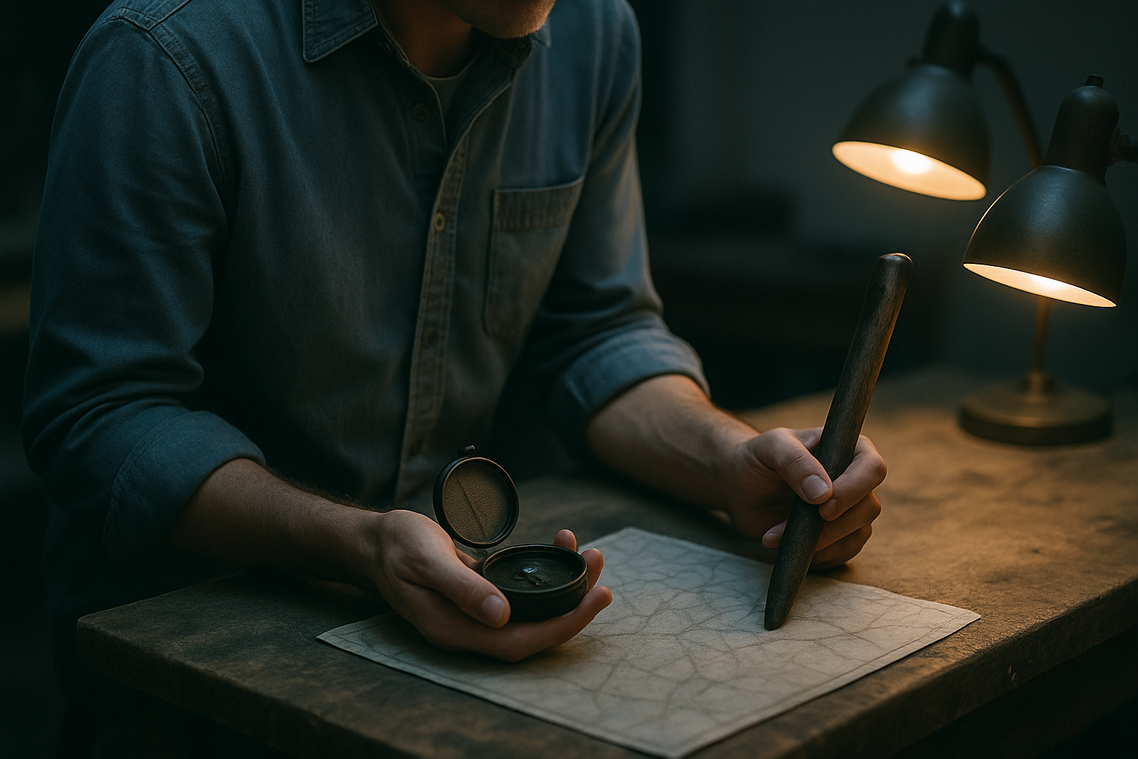
Herbalism is about using plants to support what your body already does. Peppermint for an upset stomach. Ginger for nausea. Simple stuff that’s been around for centuries because it works for a lot of people.
But here’s what matters. You need to talk to a qualified herbalist or your doctor before you start taking supplements. Some herbs interact with medications (St. John’s Wort is notorious for this). Some aren’t safe if you’re pregnant or have certain conditions.
Aromatherapy sounds fancy but it’s just using essential oils to affect how you feel. I keep a lavender diffuser on my desk now. When I’m stressed, I run it for 20 minutes. Does it cure anything? No. Does it help me feel calmer? Yeah, it does.
Eucalyptus oil when you’re congested. Peppermint when you need to focus. Small things that add up.
Nutritional therapy is the big one though. Food as medicine isn’t just a saying at altwayguides.
Your gut health affects everything. Your mood, your immune system, even how clearly you think. Anti-inflammatory diets built around whole foods instead of processed junk make a real difference.
I’m not saying you need to eat perfectly. But when you fuel your body with actual nutrients instead of chemicals and sugar, you notice.
Bodywork & Energy Practices: Restoring Balance and Flow
Your body keeps score.
Every stressful meeting. Every hour hunched over your laptop. Every argument you didn’t have the energy to finish.
It all gets stored somewhere.
Most wellness sites will tell you about massage and acupuncture like they’re explaining it to a textbook. But what they don’t talk about is why these practices actually stick around when so many health trends fade out.
I’ve watched people dismiss bodywork as pseudoscience. They want double-blind studies for everything. And I get that impulse (skepticism keeps you from wasting money on garbage).
But here’s what that view misses.
These practices have survived thousands of years because they work for something. Maybe not always what they claim. But something real enough that people keep coming back.
Let’s start with acupuncture and acupressure. Both come from the same idea that your body has energy pathways called meridians. Acupuncture uses thin needles at specific points. Acupressure uses finger pressure on those same spots.
The traditional explanation involves Qi or life energy. Whether you buy that concept or not, research shows both methods help with chronic pain and stress management. The mechanism might be different than ancient practitioners thought, but the results show up.
Massage therapy is easier to explain in Western terms. You’re manipulating soft tissue to reduce muscle tension and improve blood flow. Studies confirm it lowers cortisol levels (your main stress hormone).
What most guides won’t tell you is that not all massage is created equal. Deep tissue work hits different than Swedish massage. And timing matters more than people think.
Then there’s Reiki. This one gets the most eye rolls.
It’s an energy healing technique where practitioners use light touch or hover their hands near your body. The goal is to support your natural healing processes and promote relaxation.
Does it work the way practitioners claim? That’s debatable. But people report feeling calmer and less anxious after sessions. Sometimes that’s enough.
The thing about bodywork that altwayguides rarely mention is this: your nervous system responds to safe touch. Period. Whether that’s through energy meridians or simple biology, the outcome can be the same.
You don’t have to believe in Qi to benefit from acupressure. You don’t need to understand Reiki’s energy model to feel more relaxed afterward.
What matters is finding what helps you release the tension you’re carrying around.
Because ignoring it sure isn’t working.
Begin Your Personal Wellness Journey Today
You came here looking for clarity in the world of alternative wellness.
I get it. The options feel endless and the information can be contradictory.
But here’s what you need to know: You don’t have to overhaul your entire life tomorrow. You just need to start somewhere.
This guide gave you a foundation. You’ve seen the major paths, from mind-body practices to natural remedies. Now you understand what’s out there.
The search for holistic health doesn’t have to be confusing or overwhelming.
The most effective approach is to start small. Pick one practice that spoke to you while reading this. Maybe it was meditation. Maybe it was herbal remedies.
Whatever it was, that’s your starting point.
Try a 5-minute guided meditation tonight. Brew a cup of herbal tea tomorrow morning. Take one small step toward a more balanced version of yourself.
altwayguides exists to cut through the noise and show you what actually works in wellness and beyond.
Your journey starts with that first intentional choice. Make it today.
 Tony Zafiellis established Altway Guides as a specialized platform dedicated to transforming the traditional news cycle into a source of actionable intelligence. By focusing on in-depth news dissection and current event analysis, Zafiellis has created a space where readers can explore the practical, real-world applications of global trends and unique finds. His vision centers on providing clarity and foresight, ensuring that the Altway community receives high-level insights that go beyond the surface of daily headlines.