
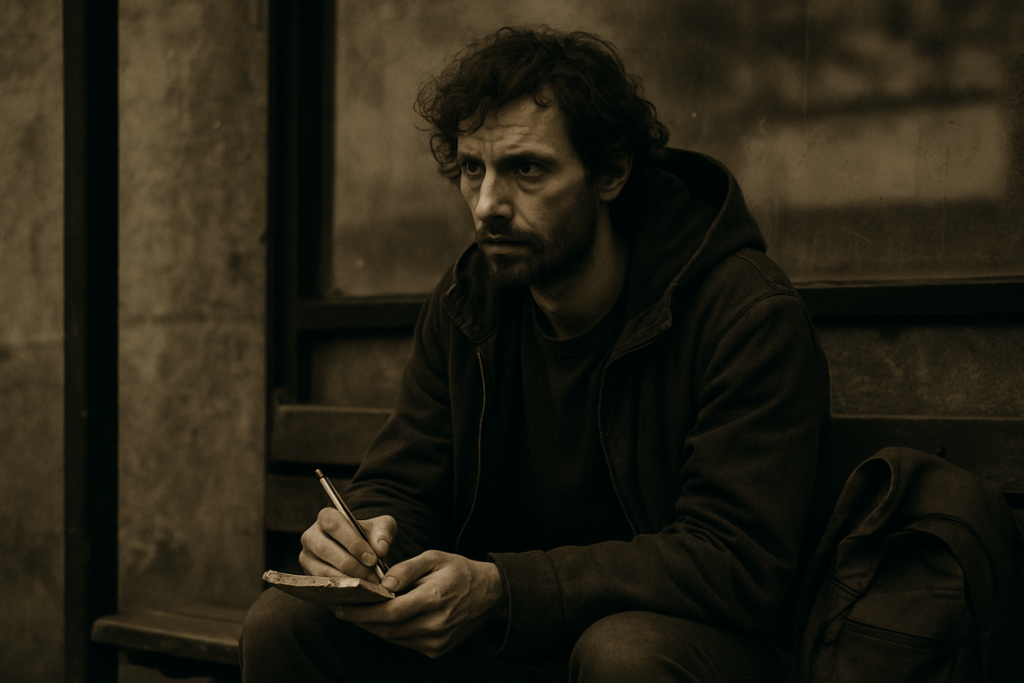
I’ve seen thousands of character designs that all blur together.
You’re probably tired of creating characters that feel like you’ve seen them somewhere before. I know that frustration. You want something that stands out but every sketch feels generic.
Here’s the thing: most character design advice focuses on anatomy and proportions. That’s not where uniqueness comes from.
I’ve spent years breaking down what actually makes a character memorable. Not the textbook stuff. The real techniques that separate forgettable designs from ones people can’t stop looking at.
This guide gives you character design tips altwayguides that push past the standard formulas. I’ll show you methods that challenge how you think about building characters from the ground up.
You’ll learn processes that help you find your own visual voice instead of recycling what already exists.
No fluff about golden ratios or muscle groups. Just practical approaches that work when you sit down to design.
Method 1: Design from Abstract Concepts, Not Anatomy
Most character design tutorials tell you to start with the human form.
Learn anatomy. Study proportions. Build from there.
But that’s exactly why so many characters end up looking the same.
What if you ignored anatomy completely at first? What if you started with something that has nothing to do with bodies at all?
I’m talking about designing from feelings, sounds, or random objects you find lying around.
This is one of those character design tips altwayguides that sounds weird until you try it. Then it clicks.
The ‘Found Object’ Technique
Grab something nearby. A twisted tree branch. A wadded up receipt. That weird kitchen gadget you never use.
Now ask yourself: if this object was alive, how would it move?
A gnarled root might hunch and twist. A crumpled paper could unfold and collapse. An old can opener? Maybe it’s all hinges and sharp angles.
The object’s function tells you something about personality. A corkscrew character might be persistent and spiraling. A paperclip bends but doesn’t break.
You’re not drawing the object. You’re letting its essence shape your character’s posture and energy.
The ‘Soundwave’ Sketch
Close your eyes and think of a sound. A guitar chord. Nails on a chalkboard. A foghorn.
What does it look like in your head?
Sharp sounds create jagged lines and spiky silhouettes. Low hums become soft curves and heavy shapes. A screech might be all tension and stretched forms.
Sketch that shape first. Don’t worry about arms or legs yet.
This abstract form becomes your foundation. Everything else builds from there.
It’s backwards from how most people work. But that’s exactly why it produces characters that stand out.
Method 2: Reverse-Engineer from a Core Contradiction
Most character designers start with a concept and pile on cool features.
Big sword. Glowing eyes. Maybe some scars.
But here’s what I’ve learned after years of working with online gaming guides altwayguides. That approach creates characters that look fine but feel empty.
Some designers will tell you that contradictions make characters confusing. They say players want clear archetypes. The noble knight. The dark assassin. Keep it simple.
And look, I get where they’re coming from. Clarity matters.
But here’s the problem with that thinking.
Real people aren’t simple. We’re walking contradictions. And the characters that stick with us? They reflect that truth.
The core idea is simple. A character’s visual appeal comes from internal conflict. You design them to physically represent that contradiction.
Instead of “brave warrior,” think “terrified warrior who never retreats.”
Instead of “wise old mage,” think “powerful mage burdened by foolish memories.”
See the difference? One version is flat. The other has tension built right in.
Now you need to visualize that conflict. How does this internal battle show up physically?
That terrified warrior might wear armor that’s pristine and heavy (representing duty) but stand with a posture that’s coiled and defensive (showing fear). The foolish mage could have robes embroidered with powerful runes (wisdom) that are mismatched and worn wrong (foolishness).
Here’s a trick that changed how I approach character design tips altwayguides.
Draw your character in a mundane moment.
Not fighting. Not casting spells. Just existing.
How does that interstellar diplomat make coffee? What does the battle-hardened mercenary look like grocery shopping?
This reveals details about their clothing, tools, and habits that standard action poses completely miss. You’ll notice things you never would have thought of otherwise.
The contradiction method works because it forces you to think deeper than surface level. You’re not just designing what a character does. You’re designing who they are when nobody’s watching.
Method 3: Steal Color Palettes and Textures from Unrelated Fields
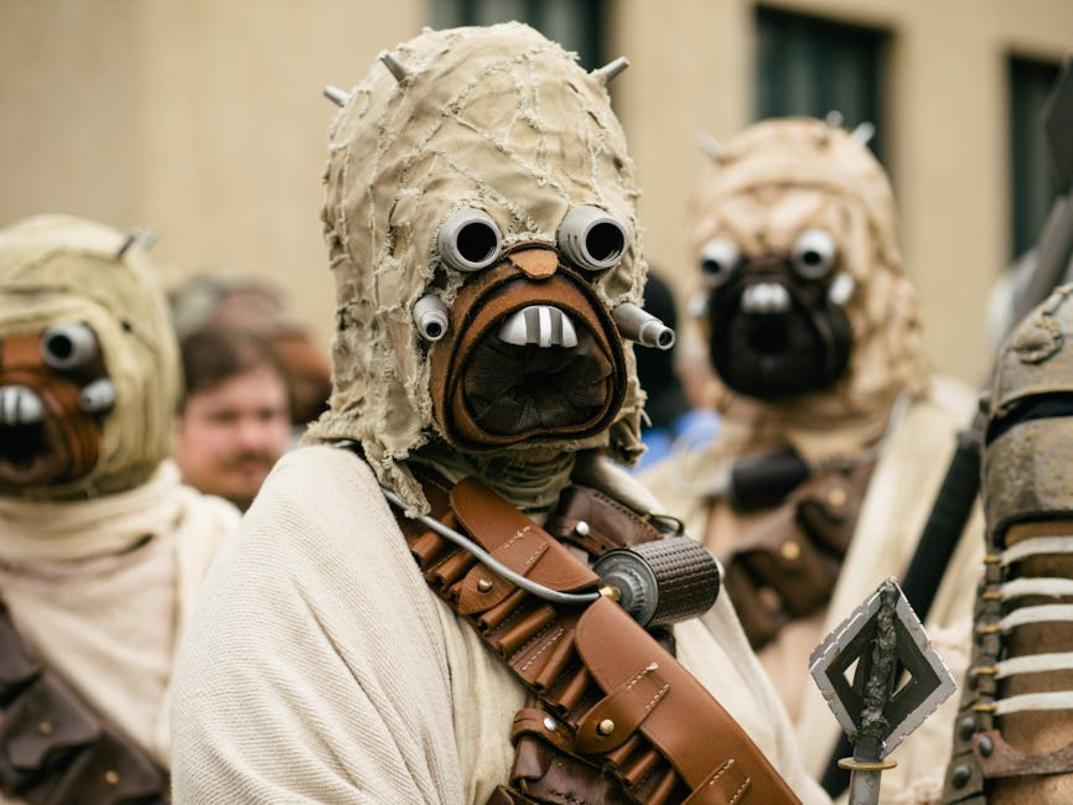
Most character designers make the same mistake.
They open their reference folder and look at other characters. Fantasy art. Sci-fi concepts. The same visual language everyone else uses.
I think that’s backwards.
The best palettes I’ve found come from places that have nothing to do with art. I’m talking about deep-sea creatures with bioluminescent blues and sickly greens. Or those Soviet-era safety posters with their weird orange and gray combinations.
Here’s what I do.
Find Your Palette Source
I keep a folder of things that aren’t character art. Last month I pulled colors from 1970s prog rock album covers. The month before that, microscopic images of bacteria cultures.
You’d be surprised how well a palette from an industrial safety manual works on a warrior character. Those high-visibility yellows against deep blacks? That’s visual interest you can’t get from another fantasy art piece.
Texture Comes First
This is where most gaming tips and tricks altwayguides miss the point.
Don’t start with the shape. Start with the texture.
Ask yourself: what is this character made of?
- Wet clay that’s still moldable and soft
- Brittle glass that could shatter at any moment
- Oily metal that reflects light in strange ways
- Mossy stone that’s been weathered for centuries
Pick one. Then let that texture tell you everything else.
A brittle glass character? They’re going to have sharp angles. Their stance will be careful and fragile. They won’t have flowing curves because glass doesn’t bend.
A wet clay character tips and tricks altwayguides? Soft edges. Rounded forms. Maybe parts of them are still forming or melting.
The texture dictates the silhouette. The movement. Even how they interact with light.
I’ve seen designers spend hours on a character’s outfit before they know what it’s made of. That’s working backwards. The material properties should drive every design choice you make.
Try this next time you’re stuck. Pick a random texture from outside your usual references and build the entire character around it.
You’ll end up with something people haven’t seen before.
Method 4: The Conceptual Kitbashing Technique
You know what kills most creative projects?
Playing it safe.
I see it all the time. People sit down to design something new and their brain immediately defaults to what already exists. A slight variation. A minor tweak.
That’s not creating. That’s just rearranging furniture.
Here’s what actually works. You force your brain to go somewhere it’s never been before.
I call it conceptual kitbashing. You take two things that have absolutely no business being together and smash them into one idea.
The formula is dead simple. Pick an adjective or role. Then grab a completely unrelated noun or concept. Mash them together.
Nomadic Chef. Cyberpunk Beekeeper. Deep-Sea Librarian. Volcanic Botanist.
Sounds weird, right? That’s the point.
Most creative exercises tell you to “think outside the box” without giving you a way to actually do it. This method physically drags your brain outside that box whether it wants to go or not.
Now here’s where it gets interesting (and where most people quit too early).
Spend 10 minutes sketching the most literal version of your combined concept. Not metaphorical. Not abstract. Literal.
What tools would a Deep-Sea Librarian actually need? A waterproof catalog system? Pressure-resistant book covers? How do they organize sections when everything floats?
How would a Cyberpunk Beekeeper protect their hives? Neon-lit frames? Digital monitoring systems grafted onto traditional smokers? Augmented reality to track individual bees?
These questions sound ridiculous until you start answering them. Then something clicks. You’ve got character design tips altwayguides that nobody else has because nobody else asked these specific questions.
The answers become your foundation for something genuinely new.
Your Path to Unforgettable Characters
You came here because creating something truly original felt impossible.
I get it. You’ve been staring at the same reference images everyone else uses. Your characters keep coming out looking like everything you’ve already seen.
But here’s the thing: this isn’t about talent. It’s about process.
The four methods in this guide work because they force you to start somewhere different. When you begin with abstraction or contradiction instead of the usual references, you can’t fall into the same patterns.
character design tips altwayguides exists to give you these alternative approaches. The ones that actually change your results.
Now you have the toolkit. You understand why your old process kept leading you in circles.
Here’s what to do next: Pick one method from this guide. I recommend the Found Object technique if you’re just starting. Grab something random from your desk and sketch a character based only on its shape and texture.
Don’t overthink it. Just try a different starting point on your next sketch.
You’ll see how quickly things shift when you change where you begin.
 Tony Zafiellis established Altway Guides as a specialized platform dedicated to transforming the traditional news cycle into a source of actionable intelligence. By focusing on in-depth news dissection and current event analysis, Zafiellis has created a space where readers can explore the practical, real-world applications of global trends and unique finds. His vision centers on providing clarity and foresight, ensuring that the Altway community receives high-level insights that go beyond the surface of daily headlines.